Guide
Is a wine fridge worth it?
Published
Note: This page contains affiliate links. If you buy through them we may earn a commission at no extra cost to you. Learn more
In short
A wine fridge is worth it if you keep bottles for months or longer, live somewhere that gets warm, or want wine held at serving temperature without crowding the kitchen fridge. It is less useful if you buy a bottle or two and open them within a week or so; a cool, dark cupboard away from the oven and radiators does that job for nothing.
Products for this job
Compare all 6 productsSeverin KS 9894: 33 bottles, 39 dB, under-counter
Check price on AmazonAffiliate linkYuAiStore 12-bottle slimline dual zone
Check price on AmazonAffiliate linkSchmécké 24-bottle compressor cooler with lock
Check price on AmazonAffiliate link
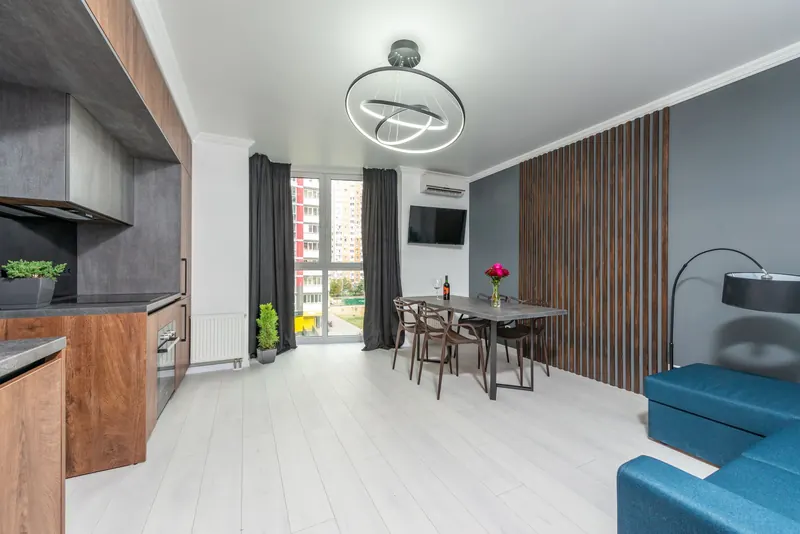
Wine fridges range from small worktop coolers to large cabinets, and they all take space and use electricity. Whether one is worth having depends on how you buy and keep wine and on where you live. A warm modern flat with no cool cupboards is a very different place to store wine from an older house with a cold larder. This guide sets out who tends to gain from a wine fridge, who probably does not need one, the alternatives, and the questions to ask before buying. It does not suggest buying or drinking more wine; it is about keeping what you already buy in good condition.
What a wine fridge actually does
A wine fridge provides conditions that are hard to find in most homes: a steady temperature, usually around 12 °C for storage, darkness behind tinted or UV-filtering glass, little vibration, and shelves designed to hold bottles on their side. Dual-zone models add the option of keeping one group of bottles at serving temperature. Our temperature guide explains the common settings.
What it does not do is improve ordinary wine. Most wine sold in UK supermarkets is made to be opened within a year or two, and its main need is to avoid heat and light.
Who gains most
The common thread is time and heat. The longer bottles sit before opening, and the warmer the room they sit in, the more a wine fridge helps. A bottle kept for a few days on a kitchen shelf will be fine; a case kept for a year next to a radiator may not be. A small cooler also suits people who simply prefer whites ready at a set temperature without using kitchen fridge space.
- People keeping bottles for months or years: steady storage conditions matter most here.
- Anyone in a warm flat or house: if your home sits above 20 °C much of the year, especially in summer, a wine fridge protects bottles from heat.
- People who like wine served at a particular temperature: a fridge set for whites or reds saves guesswork. A dual-zone model handles both.
- Households where the kitchen fridge is always full: a separate cooler frees space for food.
- Those buying wine by the case: a dozen or more bottles need somewhere to live that is not a hot kitchen.
Who can manage without one
A passive rack in a cool spot may be all you need. Our wine fridge vs wine cabinet comparison explains when that works.
- People who open a bottle within a week or so of buying it.
- Homes with a naturally cool, dark space, such as an under-stairs cupboard on an outside wall or a cellar, away from boilers and radiators.
- Those who only keep one or two bottles at a time, which can go in the kitchen fridge for a short while before serving if needed.
- People short on space or wanting to avoid another running appliance.
Costs to consider beyond the purchase
A wine fridge runs all the time. Its annual energy use is on the energy label, often in the region of 100 to 200 kWh for common sizes; our running cost guide and calculator turn that into a figure using your own tariff. Space is the other cost: a freestanding cooler needs gaps around it, and a built-in model needs a suitable kitchen gap and a nearby socket.
Noise matters if it will sit in a living area. Many compressor models state figures in the high 30s to low 40s dB.
Questions to ask before buying
Our wine fridge buying guide and small wine fridge guide compare models on those points.
- 1
How many bottles do you usually keep at once? Allow for wider bottle shapes.
- 2
Where will it go, and does that spot need a built-in or freestanding model?
- 3
Will it mainly store wine, serve it, or both? That decides single or dual zone.
- 4
How warm does that room get in summer? A compressor model copes better than thermoelectric.
- 5
Does it need to be quiet?
Frequently asked questions
Why buy a wine fridge instead of using the kitchen fridge? A kitchen fridge is colder and drier than storage guidance and is opened often. Fine for days, not for months. See wine fridge vs normal fridge.
How much is a wine fridge to run? It depends on the kWh figure and your tariff. Use our calculator.
Is a small wine fridge worth it? For someone keeping 6 to 18 bottles in a warm home, often yes.
Do wine fridges add value to a kitchen? They are mainly a convenience. Choose one for how you use it rather than for resale.
What you need
- Check price on AmazonAffiliate link
Severin KS 9894: 39 dB, 33 bottles
- Check price on AmazonAffiliate link
YuAiStore 12-bottle dual zone, compressor, 5 to 18 °C